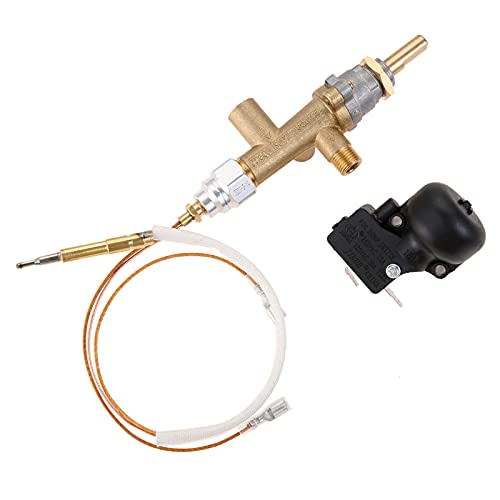
Parts
Patio heater replacement parts
The four parts that account for nearly every dead heater, with symptoms and measuring advice.
Fixes
Nine times in ten it is one of four things, and three of them cost less than twenty dollars to fix. Work down the list in order rather than guessing.
Lights and then goes out when you release the knob? That is a thermocouple, nearly every time — start here.
If it lights and dies the moment you release the control knob, the thermocouple has failed — the commonest fault in the category and a cheap part. If it will not light at all after being knocked over, the tip-over switch has latched. If an electric unit stopped, check the GFCI outlet before the heater.
Patio heater faults are unusually easy to diagnose, because the safety systems are simple and each one fails in a distinctive way. The trouble is that people describe all of them as "it stopped working", and then buy a new heater.
So before anything else, match your symptom to one of these. The right page is on the other side of the sentence.
| What happens | What it almost always is | Where to go |
|---|---|---|
| Lights, then dies when you let go of the knob | Thermocouple not holding the safety valve open | Will not stay lit |
| Will not light at all since it fell over | Tip-over switch latched | Tip-over switch reset |
| Goes out in a breeze but is fine on still nights | Placement and flame shielding, not a fault | Stop it blowing out |
| Electric unit does nothing at all | Tripped GFCI or a cut-out, not the heater | Electric heater not working |
| Runs fine but the patio is not warm | Sizing or exposure — nothing has failed | Not enough heat |
| Cracked glass tube on a pyramid | A replaceable part, not a write-off | Replacement parts |
Every gas patio heater has the same safety interlock. A small probe called a thermocouple sits in the pilot flame. Heated, it generates a tiny voltage — millivolts — and that voltage is what holds the gas safety valve open. Cool it, and the valve shuts. That is why you have to hold the knob down for twenty seconds when lighting: you are holding the valve open by hand until the thermocouple is hot enough to do it for you.
The failure mode falls straight out of that design. A thermocouple that has soot on the tip, has drifted out of the flame, or has simply aged, generates less voltage than the valve needs. It lights fine. It dies the instant you stop holding the knob. That symptom is almost diagnostic on its own, and the part costs a fraction of a heater.
Where to stop and call somebody
Cleaning a thermocouple, replacing one, changing a glass tube or resetting a tip-over switch are all owner jobs. Smelling gas with the valve closed, a damaged regulator, a hose that is cracked or perished, or any repair that involves cutting into a gas line are not. Close the cylinder valve, leave it outside, and get a gas technician.
Patio heaters do not usually die from use. They die from sitting outside uncovered for eight months while water gets into the burner assembly and rusts it, or from a spider building a nest in the venturi tube — which is a genuine and well-known failure in gas appliances, not a folk story.
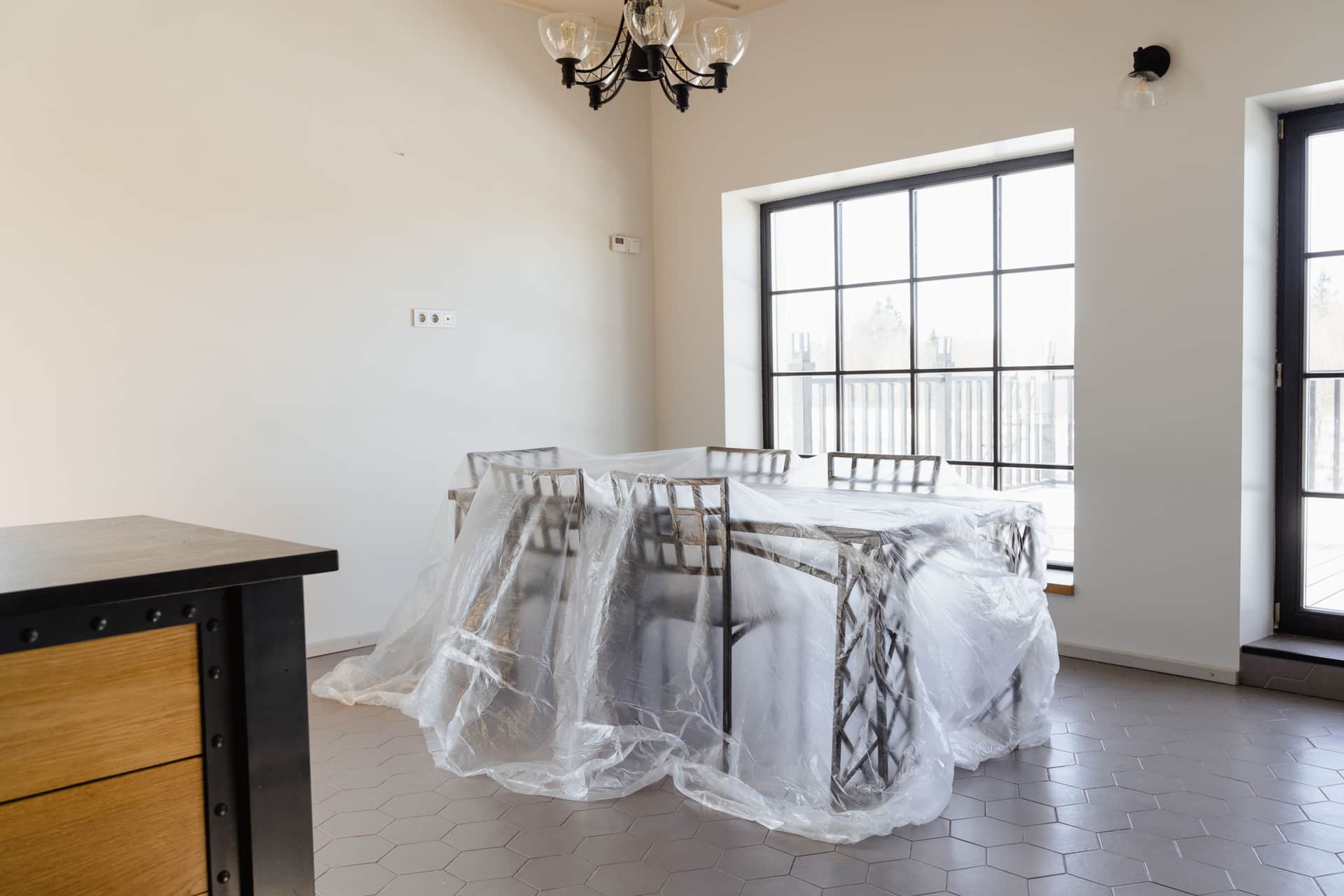
Two habits prevent most of it. Cover the unit when it is cold and not in use, and disconnect the cylinder for the off-season and store it upright outdoors, never in a garage or basement. The storage page has the full routine and the covers that fit each shape.
A reasonable rule: if the fault is in the gas train — thermocouple, control valve, tip-over switch, igniter — fix it. Those parts are cheap and available, and the rest of the heater is steel that has not worn out. If the burner assembly or the base is rusted through, replace it, because a compromised gas path is not something to patch.
And if the honest answer is that the heater was never right for the space, that is a third category and neither a repair nor a replacement of the same thing. The sizing pages will tell you that in a minute, before you spend anything.
7 pages. Roundups and tools first, then the comparisons, then the guides.
Parts
The four parts that account for nearly every dead heater, with symptoms and measuring advice.
Upkeep
The off-season routine, where the cylinder goes, and which cover shape fits which heater.
Ownership
How to size a heater cover, what the fabric ratings mean, and the two ways cheap covers fail.
Fixes
Which faults are a cheap part, which mean the heater is finished, and the three questions that decide it.
Fault tree
The ordered diagnostic for a heater that lights and dies, ending in the part that fixes it.
Fault tree
GFCI, circuit load and thermal cutout — the three non-heater causes, checked in order.

Not a fault
Sizing, exposure, placement and shape — the four reasons a working heater disappoints.
If it dies the instant you release the control knob, the thermocouple is not generating enough voltage to hold the safety valve open — the commonest fault in the category. If it stays lit on calm nights and goes out in a breeze, nothing has failed; the flame is being disturbed and the safety system is doing its job.
The tip-over switch has latched. It is a mercury or ball switch that cuts the gas when the unit leaves vertical, and on most designs it needs the heater stood fully upright and left for a moment before it resets. If it still will not light, the switch itself may have failed, and it is a replaceable part.
Usually, if the fault is in the gas train. Thermocouples, control valves and tip-over switches are inexpensive and available, and the rest of the heater has not worn out. Replace rather than repair when the burner assembly or base is rusted through.