
Wind
Wind-resistant patio heaters
The heaters that keep working in a breeze, and the physics that makes the list mostly electric.
The real variable
It is not the brand and it is usually not the size. A breeze strips warmed air off a patio faster than any heater replaces it, and almost nobody in this category will tell you so.
If your heater keeps going out, go straight to how to keep it lit. If it has fallen over, go to how to stop it blowing over.
Electric infrared heaters are the genuinely wind-resistant class, because radiant heat warms objects directly and a breeze cannot carry it away. Every open-flame propane heater is vulnerable in wind, and no model is immune. The higher-leverage fix is usually a windbreak, not a different heater.
Read a hundred patio heater reviews and wind appears, if at all, as a clause. One competitor manages the phrase "prone to tip over due to wind" and moves on. Another mentions it as an incidental observation during a test. That is the entire published treatment of the single most common reason people are disappointed with a heater they already own.
Here is why it matters more than the reviews suggest. A patio heater does two things: it radiates heat directly onto objects and people, and it warms the air around it. On a still evening the warmed air lingers and the patio feels genuinely warm. In a 10 mph breeze that warmed air is gone before it does anything, and all you have left is the radiant component — which is the fraction of output that a mushroom reflector, a glass flame tube or an infrared lamp happens to aim at you.
So a heater that felt transformative in the shop's still air can feel like nothing on your deck, with no fault anywhere. It is the same appliance. The patio changed.
"Wind ruins my patio heater" is actually three distinct failures with three different fixes, and telling them apart saves both money and frustration.
This is the part worth reading twice, because it is a spending decision. On our own sizing model — which is on the page, with its factors visible — moving a patio from exposed to sheltered multiplies the heat it needs by 0.9 instead of 1.4. That is a reduction of about 36 percent in required output.
There is no heater upgrade on this site that changes the answer by 36 percent. Going from 46,000 to 48,000 BTU is a four percent change. Adding a second tower doubles your fuel bill. A run of vinyl panels or mesh screening along the windward side costs a fraction of a heater and does more.
The trade-off to know before you enclose anything
Blocking wind on two or three sides changes what heater is appropriate. An open-flame propane unit belongs in a genuinely ventilated space; the more you enclose a patio, the more the correct answer becomes an electric one. Read the safety page before you buy panels and a propane tower in the same week.
| Type | Behavior in wind | Verdict |
|---|---|---|
| Electric infrared | Radiant transfer is unaffected; there is no flame to extinguish | The only genuinely wind-resistant class |
| Mushroom propane tower | Flame is shielded by the burner housing but the unit is tall and light | Blows over before it blows out |
| Pyramid / glass tube | The tube shields the flame well; the column is a large sail | Better lit, worse standing |
| Tabletop propane | Small flame, low mass, exposed burner | The most easily extinguished thing here |
| Open fire pit or bowl | Flame survives, heat and embers do not stay put | Wind makes it a hazard, not just an annoyance |
Behavior described from published designs and how each burner is shielded. We have not run any of these in a wind tunnel and do not claim to have.
7 pages. Roundups and tools first, then the comparisons, then the guides.
Wind
The heaters that keep working in a breeze, and the physics that makes the list mostly electric.
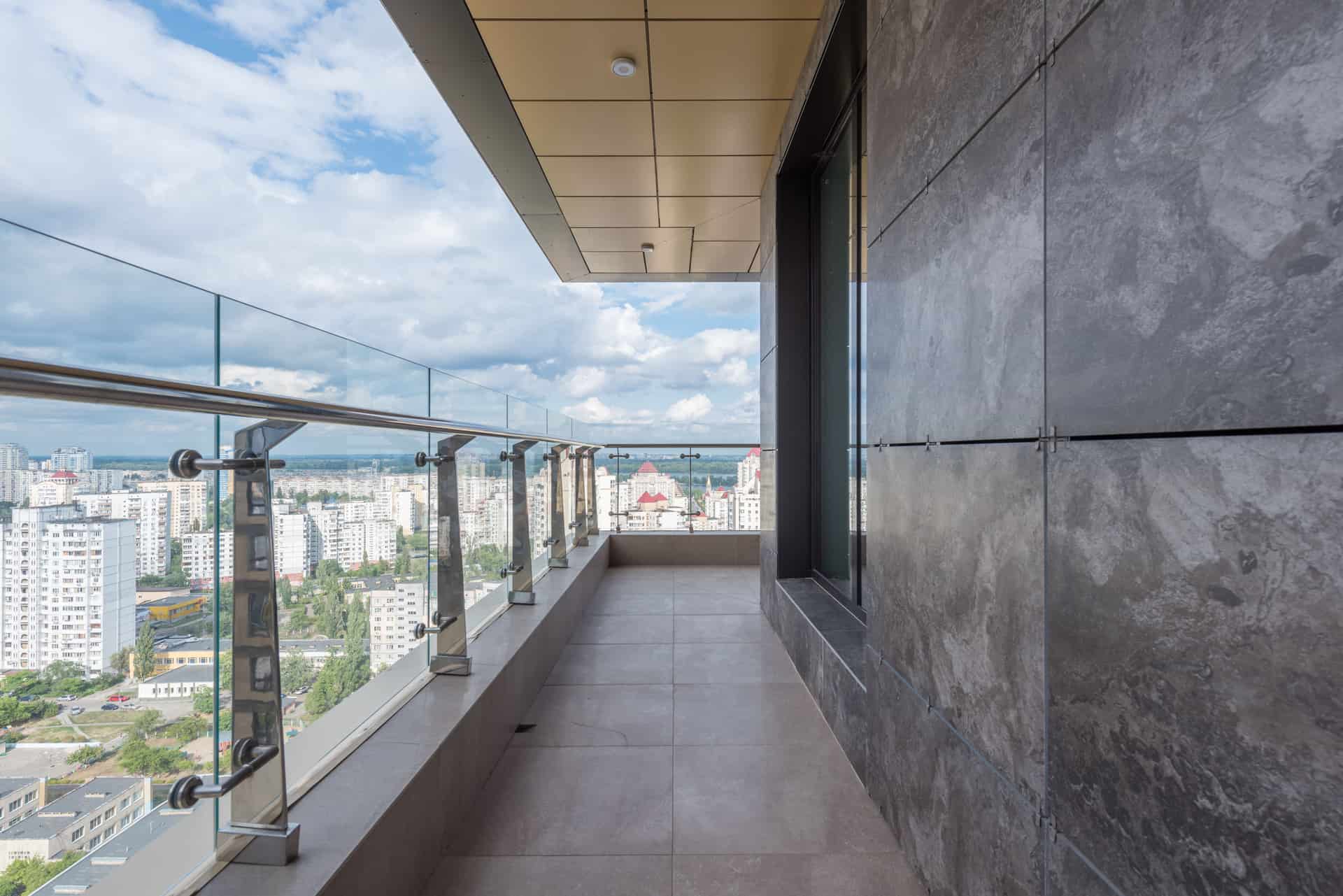
Windbreaks
Vinyl, mesh and curtains compared, with what enclosing a patio changes about your heater choice.
Head to head
Mesh versus vinyl for blocking patio wind, and the ventilation rule that decides it if you burn gas.
Build it
Solid or permeable, how to fix it so it survives, and how much shelter is enough.
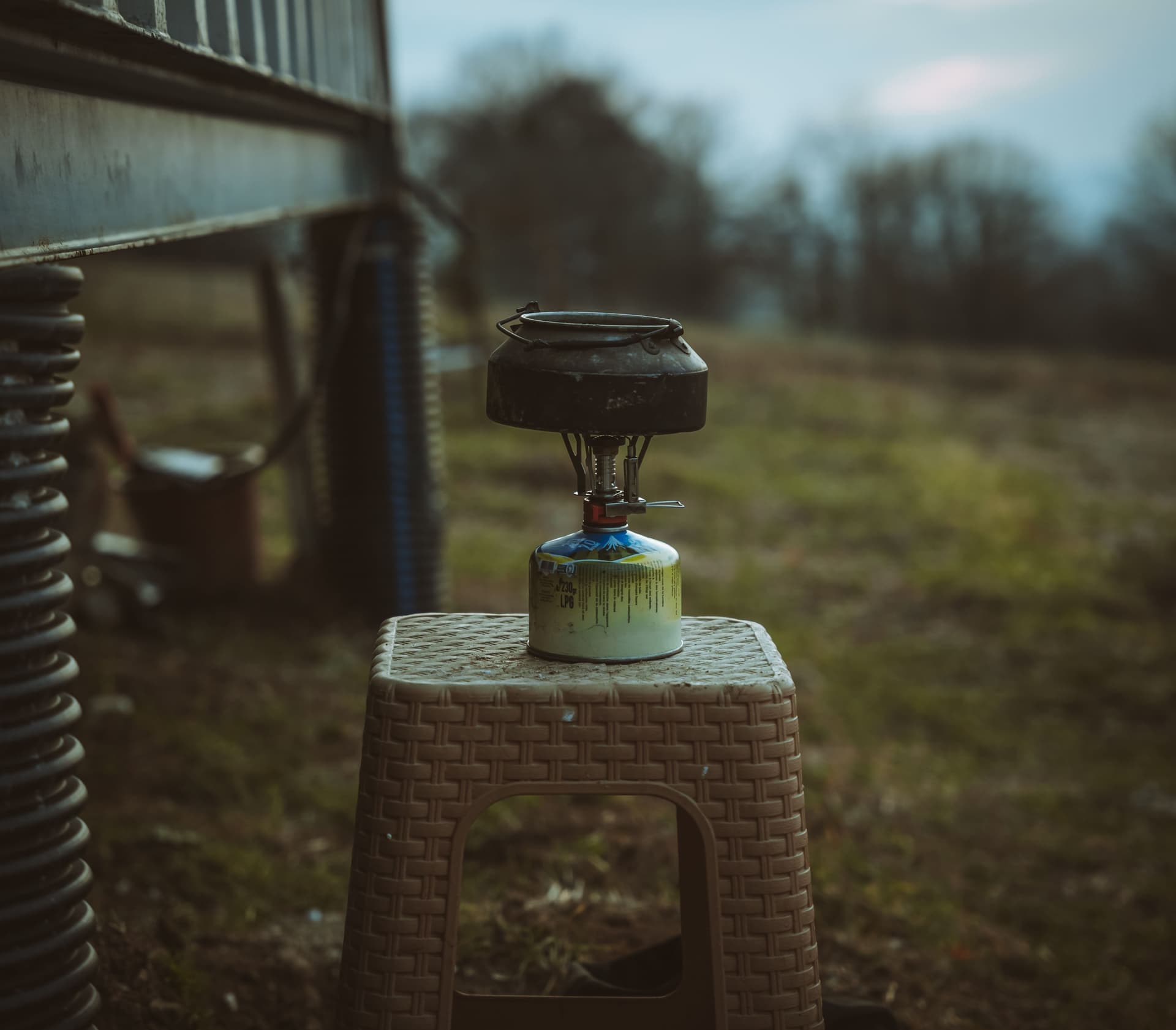
Stability
Ballast, anchors and placement — the three fixes, in the order they matter.
Flame failure
The flame-failure sequence explained, and the five things that keep a burner alight in a breeze.
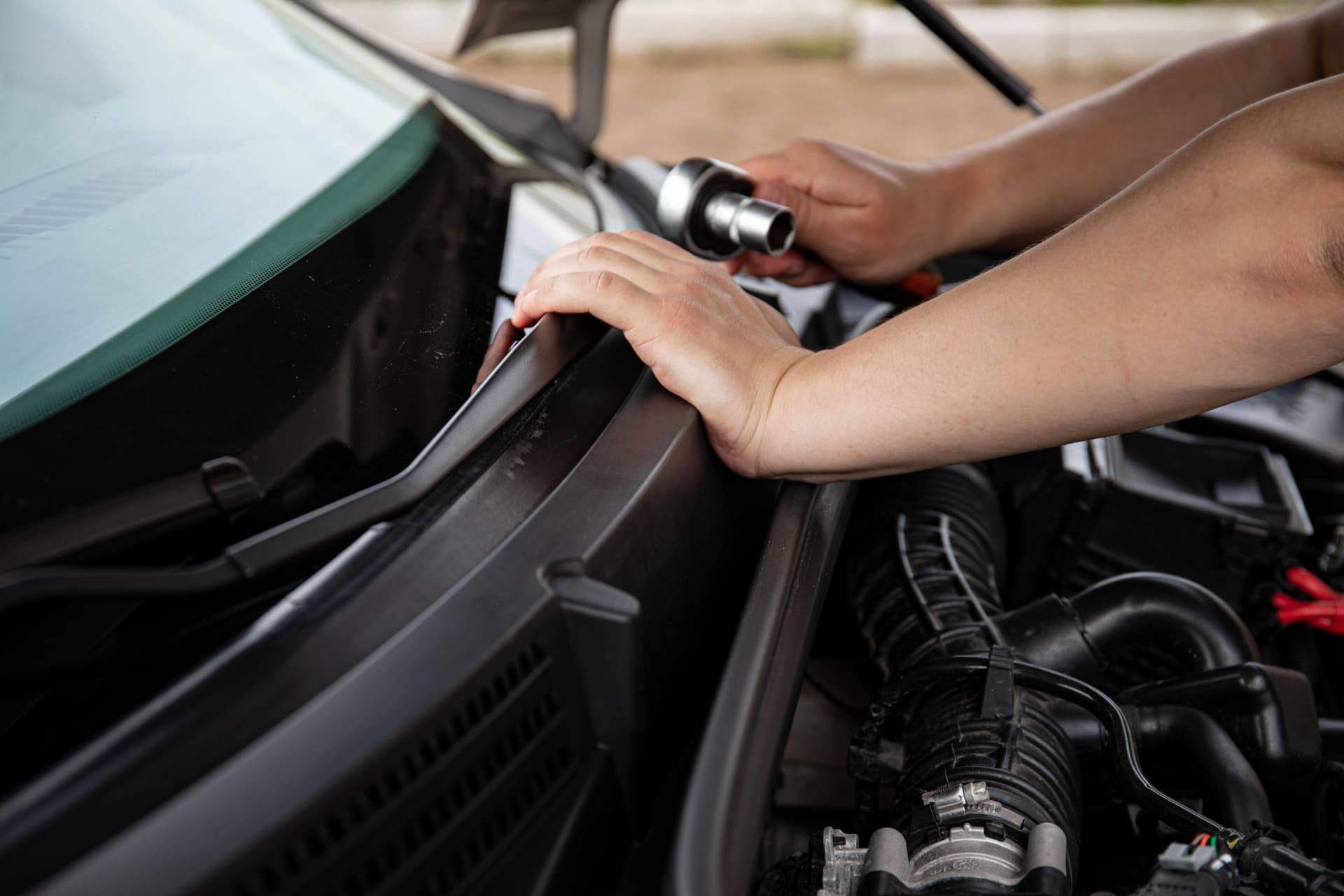
Safety switch
How the tip-over switch works, how to clear it, and what to check when it will not reset.
Fill the ballast reservoir in the base (most towers have one and most owners never use it), use the anchor stakes if the unit came with them, and put the heater against a wall or corner rather than in the open. If it lives on decking, bolt the base down. Height and a small footprint are the problem, so lowering the center of mass is the fix.
An electric infrared heater, mounted overhead. Radiant heat warms objects directly, so wind cannot carry it away, and there is no flame to extinguish. No propane heater is genuinely wind-proof — the burner shielding varies, but the physics does not.
More than a bigger heater does. On our sizing model, moving a patio from exposed to sheltered cuts the required output by about 36 percent, which is far larger than the difference between any two heaters on this site. It is also cheaper.

