Upkeep
Storing a patio heater for the off-season
Patio heaters rarely die from use. They die from eight months standing outdoors uncovered while water finds the burner assembly.
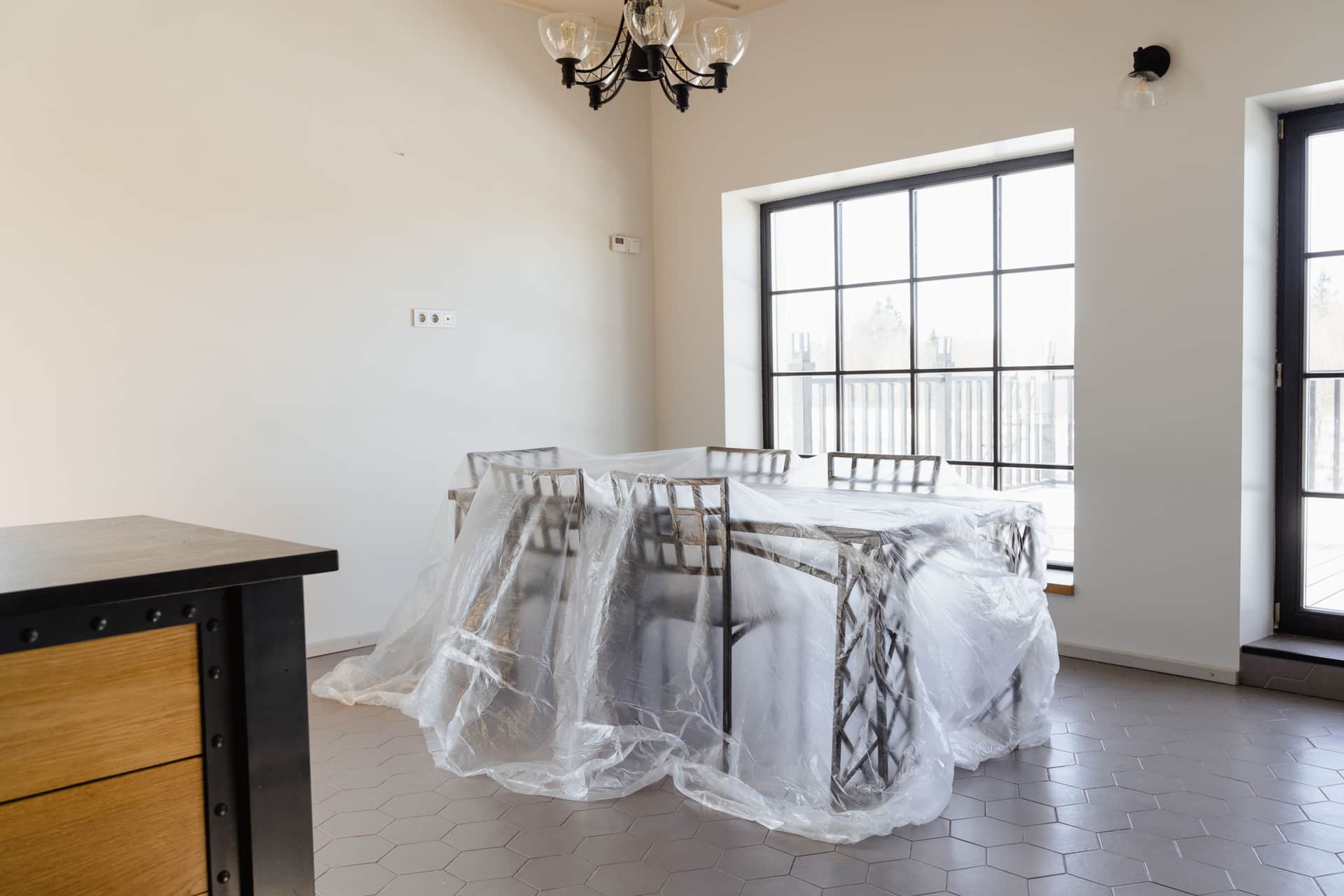
Disconnect the cylinder and store it outdoors, upright, valve closed. Clean the burner and pilot assembly. Let the heater cool completely, then cover it with a zippered cover sized to its shape — or better, store the unit itself under cover with the cylinder outside.
What actually kills patio heaters
Not the hours you run them. Corrosion in the burner assembly, and insects in the gas orifices, both of which happen during the eight months of the year the heater is not being used.
Water gets into the burner housing, sits there, and rusts the assembly and the ignition components from the inside. Meanwhile spiders — this is a documented failure mode in outdoor gas appliances, not folklore — build nests in the venturi tubes and pilot orifices, which restricts gas flow and produces exactly the will-not-stay-lit symptom people meet the following October.
Both are preventable by a routine that takes half an hour once a year.
The routine, in order
- Run it until the cylinder is nearly empty, if that is convenient. Storing a nearly full cylinder is fine; it is simply easier to handle an empty one.
- Close the cylinder valve and disconnect the cylinder. Cap the connection if a cap came with it.
- Store the cylinder outdoors, upright, valve closed, out of direct sun. Not the garage, not the basement, not an attached shed. Outdoors.
- Clean the burner and reflector. A brush and warm soapy water. Get the debris out of the burner ports and the reflector's underside.
- Check the pilot orifice and venturi for nests. This is the step that prevents next season's most common fault. Compressed air or a pipe cleaner, gently.
- Inspect the hose and regulator and note anything that needs replacing before spring. Perished rubber does not improve over a winter.
- Dry it completely. Water trapped under a cover is worse than no cover, and this is the step that decides whether the cover helps or hurts.
- Cover it, cold. Never while warm. Zip it fully.
Indoors beats covered, if you have the space
A cover is a compromise, and the better answer where it is available is to bring the heater itself into a garage or shed — with the cylinder still outdoors — for the winter.
The heater with no gas connected is an inert steel object and storing it dry is straightforwardly better than any fabric. This is also the reason to note that a heater is only 'stored indoors' once the cylinder is off it; the appliance can come in, the fuel cannot.
Quick picks
Ranked for fit, not for hype. Output is the maker’s published figure; reach is computed from it or from the maker’s own radius claim, and the table says which. Tap a row for the full write-up, or go straight to the listing.
| # | Product | Best for | Output | Reach | Price |
|---|---|---|---|---|---|
| 1 |  Easy-Going pyramid coverRust in the burner assembly is what kills patio heaters, not use. A cover is the cheapest thing on this site and it is the one that decides whether the heater works next October. | A pyramid heater left outdoors | n/a | n/a | $25.99 · Check on Amazon |
| 2 |  Zettum dome coverThe domed cut is the point: a mushroom heater's reflector is wider than its base, and a straight-sided cover simply will not go over it. | A mushroom-style tower | n/a | n/a | $24.99 · Check on Amazon |
Reach marked “claimed” is the maker’s own published figure. Reach without that label is ours, computed from published output at 20 BTU per square foot for an open patio. Neither is a measurement we took.
Top pick · A pyramid heater left outdoors
Easy-Going Pyramid Torch Patio Heater Cover, 90 x 23 x 23 in
Rust in the burner assembly is what kills patio heaters, not use. A cover is the cheapest thing on this site and it is the one that decides whether the heater works next October.
- Fuel
- Accessory
- Output
- Not published
- Reach (computed)
- Not published
- Cost per hour
- n/a
What works
- The published dimensions match the shape. 90 in tall with a 23 in square footprint is the standard pyramid envelope, which is the measurement that actually decides whether a cover fits
- Measure your heater first. Pyramid heights vary by several inches between brands and a cover that is short is a cover that does nothing
- Cheap enough that replacing it every few seasons is not a decision
What does not
- No fabric weight is published. 600D is the sensible floor for something that spends a winter outdoors, and this listing does not state what it uses — so treat longevity as unknown rather than assured
- Never cover a heater that is still warm. It is the one instruction on the label people ignore
- A cover on an uncovered patio still needs anchoring against wind or it becomes a sail
| Published specification | |
|---|---|
| Fits | Pyramid and torch heaters up to 90 in tall, 23 x 23 in footprint |
| Colors | Black, camel and gray listed |
| Fabric weight | Not published |
| Maker’s coverage claim | None published — the reach figure above is ours |
| Safety listing | Not applicable — a cover, not an appliance |
Who it is for
Anyone whose pyramid heater lives outdoors between uses, which is nearly everyone.
What it is not for
A mushroom-style tower with a wide reflector, which needs the [domed shape](/troubleshooting/off-season-storage) instead.
Sources for this entry
2 · A mushroom-style tower
Zettum Patio Heater Cover, 600D, 89 in H x 33 in Dome
The domed cut is the point: a mushroom heater's reflector is wider than its base, and a straight-sided cover simply will not go over it.
- Fuel
- Accessory
- Output
- Not published
- Reach (computed)
- Not published
- Cost per hour
- n/a
What works
- Sized around the reflector rather than the pole, which is the whole reason a mushroom heater needs its own cover shape
- The listing names the brands it was cut for, which is more useful than a generic dimension list
- Same 600D weight and zipper closure as the pyramid cover — the right specification for the job
What does not
- 89 in is not tall enough for every tower on the market; the Hiland HLDS01 is 87 in and fits, but measure yours
- Storing a heater under a cover outdoors is second best. Indoors, cylinder detached, is first
- Water-resistant, not waterproof, like every cover at this price
| Published specification | |
|---|---|
| Dimensions | 89 in height, 33 in dome, 19 in base |
| Material | 600D with a zipper |
| Stated fit | East Oak, Hampton Bay, Fire Sense and similar per the listing |
| Maker’s coverage claim | None published — the reach figure above is ours |
| Safety listing | Not applicable — a cover, not an appliance |
Who it is for
Anyone with a mushroom-reflector tower that stays on the patio year-round.
What it is not for
Pyramid heaters, which are straight-sided and need the other shape.
Sources for this entry
What we would skip
A list with no losers is a list nobody edited. These are the choices we would actively steer you away from, and why.
Storing the propane cylinder indoors
Never in a house, a basement, an attached garage or a shed connected to the building. Propane cylinders go outdoors, upright, valve closed, in a shaded spot. This is the one instruction on this page with no version that is fine.
Covering a heater that is still warm
It is on every cover's label and it is ignored constantly. A hot reflector against fabric is a fire, and the residual heat in a tower after an evening's use is substantial. Wait until it is cold to the touch.
A cover that is close but a bit short
A cover that stops six inches above the base leaves the burner assembly and the ignition exposed, which is exactly the part rust destroys. Measure your heater's height and buy for it, not near it.
Choosing the right cover shape
| Heater type | Cover shape | What to measure |
|---|---|---|
| Mushroom tower | Domed, wider at the top than the base | Total height, reflector diameter, base diameter |
| Pyramid / flame tower | Straight-sided, roughly square in section | Total height, width and depth at the widest point |
| Tabletop | Small dome or straight, depending on the model | Height and the widest diameter |
| Wall or ceiling mounted | Usually none — bring it in, or leave it if the IP rating supports it | Check the published ingress rating first |
A mushroom reflector is wider than the base and a straight-sided cover will not pass over it. This is the mistake that gets a cover returned.
Electric heaters are a different question
A mounted electric unit with a published IP rating suitable for its position can generally stay where it is. That is what the rating is for, and taking a mounted heater down every autumn defeats the purpose of mounting it.
A unit with no published rating, or one in a more exposed position than its rating covers, is better brought in. And any portable electric heater should be stored dry indoors as a matter of course. What the ratings mean.
How we picked
- Shape matched to heater type. A mushroom reflector is wider than its base and a straight-sided cover will not go over it; a pyramid is straight-sided. These are not interchangeable and the listings do not always make that obvious.
- 600D treated as the sensible weight — light enough to handle, heavy enough not to shred on a corner in a gale.
- Full-length zipper required. Pull-over covers get left off after the second time, which makes them worse than no cover at all.
- Measured fit stressed on every card, because heater heights vary by several inches between brands and a short cover does nothing.
What we did not do
Everyone in this category says they tested twenty heaters. We have not tested any, and we say so. What we do instead: compile the published specs, compute the electrical and gas load from them, cite the maker’s own manual, and show the arithmetic so you can check it. The full method, including how to challenge a figure.
The spring check
Before the first evening of the season: reconnect the cylinder, leak-test every joint with soapy water, check the hose for perishing over the winter, and light it once in daylight rather than discovering a fault on the first cold evening with people over. Ten minutes in September is worth an hour in October.
Common questions
How do I store a patio heater for winter?
Disconnect the cylinder and store it outdoors upright with the valve closed, clean the burner and pilot assembly, dry the heater completely, and cover it once it is cold — or better, bring the heater itself into a garage or shed with the cylinder left outside.
Can I store a propane tank in the garage?
No. Propane cylinders belong outdoors, upright, with the valve closed, out of direct sun — never in a house, basement, attached garage or connected shed. The heater itself can be stored indoors once the cylinder is disconnected.
Do I need a patio heater cover?
If the heater stays outside, yes, and it is the cheapest thing that extends its life. Corrosion in the burner assembly is what ends most patio heaters, and it happens during the months the heater is not being used rather than while it runs.
What size patio heater cover do I need?
Measure total height and the widest point. Mushroom towers need a domed cover because the reflector is wider than the base; pyramids need a straight-sided one. A cover that is a few inches short leaves the burner assembly exposed, which is the part that matters.
Can I leave my patio heater outside all year?
You can, and it will not last as long. Covered and cleaned, a heater left outdoors is fine for several seasons. Uncovered, water gets into the burner assembly and the ignition, and that is the failure most people meet the following autumn.
Read next
Patio heater replacement parts
The four parts that account for nearly every dead heater, with symptoms and measuring advice.
Patio heater covers
How to size a heater cover, what the fabric ratings mean, and the two ways cheap covers fail.
Patio heater will not stay lit
The ordered diagnostic for a heater that lights and dies, ending in the part that fixes it.
How to stop a patio heater blowing over
Ballast, anchors and placement — the three fixes, in the order they matter.
Patio heater safety, with the published numbers
Published clearance figures, the ventilation rule, and where each heater type must never go.